Simple Ways Gutter Repair in Hackettstown Extends Gutter Life

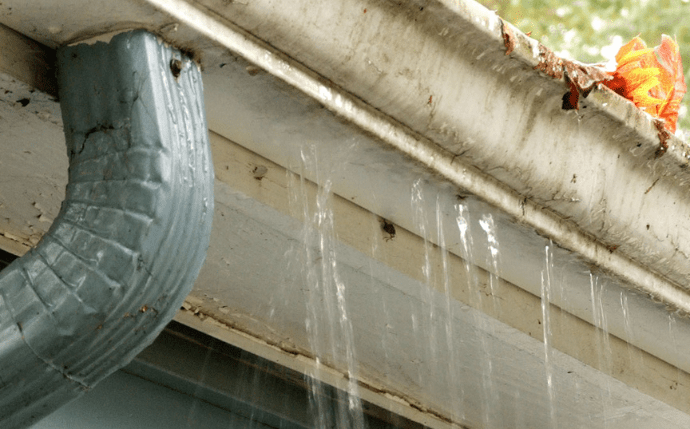
A gutter system usually gets attention only after it fails. Water spills over the edge during a hard rain, a seam starts dripping above the front walk, or a section sags enough that you can see it from the driveway. By that point, the damage is no longer limited to the gutter itself. Fascia boards may be damp, mulch may be washed out, and basement moisture might already be part of the story.
That is why timely gutter repair matters so much in a place like Hackettstown. Homes in this part of New Jersey see a little of everything, summer downpours, fall leaf buildup, winter freeze and thaw cycles, and the kind of spring rain that can expose every weak point in a drainage system. People often assume replacement is the only meaningful fix once a gutter starts acting up. In practice, many problems can be corrected early, and those repairs can add years to the life of the entire system.
The phrase Gutter Repair Hackettstown may sound like a basic service category, but there is real judgment behind good repair work. A solid repair is not just patching a leak. It is figuring out why that leak formed, whether the pitch has shifted, whether fasteners are failing, and whether the downspouts are carrying enough water away from the house. Done well, repair buys time, protects surrounding materials, and keeps a manageable issue from turning into a full exterior project.
Small failures tend to spread fast
Gutters work as a chain. Water enters, moves through the trough, travels to the outlet, and exits through the downspout. When one link weakens, the system starts stressing the others. A minor separation at a seam allows water to escape. Escaping water wets the fascia. Wet fascia softens around fasteners. As fasteners loosen, the gutter sags. Once the pitch changes, water sits instead of draining, and standing water speeds corrosion, attracts debris, and adds weight.
I have seen this sequence play out on homes where the original problem was less than an inch wide. A homeowner notices a drip over one window and ignores it because the rest of the run looks fine. By the next season, the drip has stained the siding, the gutter has pulled away slightly, and the corner miter is beginning to separate. None of those issues were especially expensive at the start. Together, they push the system much closer to replacement.
Hackettstown weather makes delays costly. Winter is particularly hard on older gutters. A small amount of trapped water can freeze overnight, expand inside joints, and widen every vulnerable seam. Then a thaw arrives, water rushes through again, and the damage grows. Repeated cycles like that are why prompt repair often adds more service life than people expect. You are not just fixing what is visible today. You are interrupting the pattern that shortens the system year after year.
The repairs that usually add the most life
Some repairs are cosmetic. Others materially extend the usefulness of the gutters. The difference comes down to whether the fix restores drainage, support, and water control.
Resealing leaking joints is one of the most effective examples. End caps, outlets, miters, and older seam connections commonly fail before the rest of the gutter body does. If the metal is still sound, cleaning the area thoroughly, removing failed sealant, and applying a proper exterior gutter sealant can stop active leakage and protect the fascia behind it. The key is surface prep. Slapping new caulk over dirt or oxidized residue rarely lasts through more than a season or two.
Rehanging sagging sections is another high value repair. Gutters are supposed to maintain a slight pitch toward the downspout. When hangers loosen or spike and ferrule systems begin to back out, water no longer drains efficiently. Restoring the correct alignment reduces standing water, which is one of the biggest contributors to rust, seam failure, and ice formation. On many houses, especially older ones, simply replacing worn fasteners with stronger hidden hangers and securing them into sound wood can stabilize the whole run.
Downspout corrections also punch above their weight. If a gutter overflows, the trough itself is not always the culprit. Sometimes the downspout is undersized, partially blocked, or discharging too close to the foundation. Clearing the obstruction, reconnecting loose elbows, or extending the outlet path can make an overworked system function the way it was intended to. That kind of repair reduces backflow into the gutter and limits the prolonged pooling that weakens joints and coatings.
Patching holes can be worth doing when the damage is isolated. Aluminum systems often develop trouble in a few predictable spots, near outlets, at seams, or where debris sits wet for long periods. If corrosion has not spread widely, a localized patch or section replacement can preserve the rest of the installation. It is a practical choice when the majority of the gutter remains structurally sound.
Why local conditions in Hackettstown matter
Not every region wears out gutters the same way. In Hackettstown, a house may deal with leafy tree cover, shaded roof slopes that hold ice longer, and strong bursts of rain that test gutter capacity. Those conditions change how repair should be approached.
A heavily treed lot usually sees more clogged troughs and downspouts. That sounds like a maintenance issue, and it is, but it is also a repair issue because recurring clogs create the circumstances that break gutters down. When wet leaves sit against seams or outlets, they trap moisture, add weight, and accelerate the failure of weak points. In those cases, repairing the gutter without addressing how debris moves through the system is only a partial solution.
https://anotepad.com/notes/8n33cfatHomes with long roof runs can be another challenge. Even a correctly sized gutter can struggle if one downspout is doing too much work. During a hard storm, water overshoots the outlet area, especially if the pitch is even slightly off. An experienced technician will look at the layout, not just the obvious leak. Sometimes extending life is less about one dramatic fix and more about several modest corrections that help water move the way it should.
Older homes in the area bring their own complications. Fascia wood may already have soft spots. Previous owners may have used mixed hardware or quick patches that do not hold well through winter. A proper repair account for what the gutter is fastened to. Replacing hangers without checking the board behind them can create the illusion of a fix while the underlying support continues to fail.
The difference between maintenance and repair, and why they overlap
People often separate cleaning from repair as if they have nothing to do with each other. On paper, they are different services. On an actual house, they overlap constantly. Debris causes strain, strain causes failure, and failure traps more debris. It is a loop.
A gutter cleaned twice a year usually lasts longer because problems are found when they are still manageable. During cleaning, it becomes obvious which joints are damp, which hangers are loose, and where water has been sitting. Those are repair signals. Waiting until the system visibly overflows means the early warning signs were missed.
The same goes for downspout flushing. A downspout that drains slowly may not seem urgent until a thunderstorm hits. But slow drainage means water is backing up in the gutter more often than it should. That standing water stresses seams and hangers every time it rains. Fixing the slow drain is not glamorous, but it is exactly the kind of basic intervention that extends service life.
There is also a practical budget angle here. Homeowners who stay on top of maintenance often need smaller repairs, and smaller repairs tend to preserve original materials longer. A neglected system usually requires bigger corrective work because multiple problems have compounded.
What skilled repair looks like on site
Good repair work starts with diagnosis, not tools. An experienced crew does not just chase the most visible drip. They check pitch, inspect outlet connections, examine fastener spacing, look for oxidation or pinholes, and pay attention to staining on fascia and siding. Those marks often reveal how long a problem has been active and whether water is escaping only during heavy rain or during every event.
On a typical service call, the most useful observations often come from a hose test after cleaning. Water shows where it hesitates, where it escapes, and how quickly the downspouts clear. That matters because not every dry gutter is a healthy gutter. Some only leak or overflow under real flow conditions.
There is also a craftsmanship component that homeowners can spot. Sealant should be applied to clean, dry, properly prepared surfaces. Hangers should be aligned consistently. Reattached sections should sit tight to the fascia without visible waviness. Downspouts should be secured firmly enough that they do not rattle or pull apart at the elbows after the first storm. A rushed repair often looks passable from the ground and disappoints six months later.
Signs that repair is still worth it
Not every damaged gutter deserves replacement. In many cases, a repair is the smarter move, especially if the system is fundamentally sound and the issues are localized.
Here are a few signs repair is often worthwhile:
- Leaks are limited to seams, end caps, or one outlet area.
- Most sections still hold shape and have not twisted or crushed.
- Sagging is confined to a short run where hardware has loosened.
- Corrosion is isolated rather than spread throughout the gutter.
- The fascia behind the gutter remains structurally solid.
When those conditions are present, a targeted repair can be a cost effective way to gain several more years. The exact timeline depends on material, exposure, and upkeep, but the principle holds. A healthy system with a few weak points usually responds well to repair.
When extending life has limits
There are times when repair becomes an expensive way to postpone the inevitable. If the metal is thin throughout, if pinholes appear in several areas, or if previous patching covers half the run, replacement often makes more sense. The same is true when the fascia is rotted over long sections. Gutters need a reliable mounting surface. Without it, even a well-executed repair will struggle.
Poor sizing can also limit what repair can achieve. If the gutter system was undersized from day one, especially on a steep roof or a wide collection area, repeated overflow may continue despite sealing and rehanging. In those cases, repair can stabilize the short term, but it may not solve the basic hydraulic problem.
There is a judgment call here that honest contractors should make clearly. Extending life is valuable, but only if the result is dependable. Repair should not be sold as a miracle. It should be presented as a practical option when the system still has enough integrity to justify the work.
The quiet value of correcting drainage around the house
One reason gutter repair pays off is that the benefit is not confined to the gutter. When water is directed properly, nearby materials age more slowly too. Siding stays cleaner, fascia remains drier, paint lasts longer, and soil around the foundation is less likely to wash out. Those gains rarely show up in a dramatic before and after photo, but they matter.
I once looked at a house where the owner thought the front step had settled badly over a few years. Part of the issue was ordinary age. Part of it was a leaking gutter joint above the same corner, which had been pouring water near the foundation every time it rained. After the joint was repaired and the downspout extension corrected, the area finally had a chance to dry and stabilize. The gutter itself was a modest fix. The broader protection it restored was the real value.
This is the practical side of Gutter Repair Hackettstown that people appreciate after the fact. The best gutter repairs are often the ones that prevent a different contractor from being needed later.
Choosing repairs that hold up through seasons
Durability depends on matching the repair to the actual problem. A quick bead of sealant may stop a drip, but it will not correct an alignment issue. Refastening a loose section may eliminate sagging, but if a clogged downspout caused the weight that pulled it loose, the strain will return. Long lasting results come from treating causes and symptoms together.
For homeowners trying to think ahead, a few habits make a real difference:
- Have gutters inspected after major storms or after winter if ice was heavy.
- Address small leaks and loose hangers before the next season changes.
- Keep downspouts clear and discharge water several feet from the foundation.
- Watch for staining on fascia or siding, which often signals hidden leakage.
- Trim back branches that constantly load gutters with leaves and seed pods.
None of those steps are complicated. Their value lies in timing. Once water has had months or years to work on wood, fasteners, and joints, the scope expands. Early attention keeps repair simple, and simple repairs are usually the ones that extend life most efficiently.
Why homeowners often wait too long
Part of the problem is visibility. Gutters are easy to ignore because they sit above eye level and fail gradually. A roof leak inside the house feels urgent. A damp gutter corner outside does not, at least not right away. Another factor is the assumption that if one section is failing, the whole system must be near the end. That is sometimes true, but not nearly as often as people think.
There is also a natural tendency to postpone anything that involves a ladder or an exterior contractor. Yet the financial math usually favors earlier action. A modest repair bill is easier to absorb than replacing long runs of gutter, repairing rotted trim, repainting stained areas, and correcting drainage damage around the foundation at the same time.
In neighborhoods with mature trees and mixed home ages, that pattern shows up often. The houses that get the most life out of their gutters are not always the newest or most expensive ones. They are the ones where small issues are handled before they mature into structural ones.
Repair as a strategy, not a temporary patch
The most effective way to think about gutter repair is as a longevity strategy. A gutter system does not need to be perfect to keep serving a house well. It needs to be watertight enough, properly pitched, securely fastened, and able to move water away from the structure without backing up. Many aging systems can still do that after smart corrective work.
That is especially true when repairs are timed around the natural stress points of the year. Before leaf season, after winter, and ahead of heavy spring rains are all practical windows to catch trouble early. A repaired seam, tightened run, or corrected downspout may seem minor on the day it is done. Over several seasons, it can mean the difference between a system that soldiers on and one that unravels quickly.
For homeowners in Hackettstown, that is the real payoff. Extending gutter life is not about squeezing every last month out of failing metal for the sake of it. It is about protecting the house, reducing avoidable costs, and getting full value from a system that still has useful years left. When repair is done thoughtfully, that goal is entirely realistic.
Just Gutters LLC
Address: 262 Main St, Hackettstown, NJ 07840
Phone number: +12013319454
FAQ About Gutter Repair Hackettstown
What is the average cost to repair gutters?
The average cost to repair gutters is about $390, with most jobs ranging from $120 to $900 depending on the damage. You can explore detailed data and estimates on Angi.
Can I repair a gutter myself?
Yes, you can easily repair most common gutter problems yourself if you are comfortable working on a ladder.
How much does it cost to repair a leaking gutter?
The average cost to repair a leaking gutter ranges from $75 to $350. Most homeowners spend around $150 to $250 to hire a professional to patch small holes or reseal leaking joints. If the damage is severe and requires replacing entire sections, the price can increase from $300 to $800.