The Importance of Regular Gutter Repair in Hackettstown
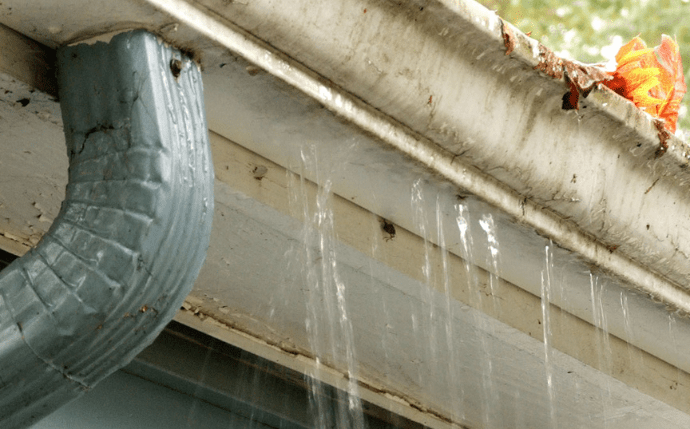
Gutters rarely get much attention until they fail. That is usually how the call starts in Hackettstown. A homeowner notices a wet basement after a hard rain, paint begins peeling near the roofline, or a strip of mulch has washed out of a front planting bed for the third time in a month. By then, the problem is no longer just a bent section of aluminum hanging loose at the corner of the house. It has already become a water management issue.
That distinction matters. Gutters are not trim. They are part of the drainage system that protects the roof, siding, fascia, soffits, foundation, walkways, and even the soil around your home. When they pull away, clog, leak, or sag, water stops moving where it should. In a place like Hackettstown, where homes see a full range of seasons, that can create damage slowly over time or all at once during a strong storm.
Regular gutter repair is one of those unglamorous home maintenance tasks that pays for itself by preventing larger repairs. It is not about making old gutters look perfect. It is about keeping water under control, year after year, through spring downpours, summer storms, autumn leaf buildup, and winter freeze-thaw cycles.
Why Hackettstown homes put gutters to the test
Hackettstown homeowners deal with conditions that are hard on exterior drainage systems. Mature trees are common in many neighborhoods, and that means leaves, twigs, seed pods, and pollen collect in gutters faster than many people expect. Even homes without overhanging branches can end up with debris blown in during windy weather.
Then there is the weather pattern itself. Gutters here need to handle steady rain, sudden heavy downpours, and winter conditions that can turn minor weaknesses into bigger failures. Water trapped in a poorly pitched section freezes, expands, and stresses seams or fasteners. Snow sliding off a roof can tug on loose hangers. A gutter that was only slightly misaligned in October can be detached by February.
The age of the housing stock also plays a role. Some Hackettstown homes have newer seamless systems, but many still have older sectional gutters with multiple joints. Those joints are common leak points. On older homes, it is also not unusual to find fascia boards that have already absorbed years of moisture. In those cases, a simple repair may reveal hidden wood rot behind the gutter. That does not mean the problem is catastrophic, but it does mean routine attention would have been cheaper than waiting.
This is why Gutter Repair Hackettstown is not a cosmetic service. It is part of preserving the building envelope of the house.
What “regular repair” actually means
People often hear the word repair and picture a major project. Most gutter repairs are smaller and more practical than that. They usually involve correcting the specific weaknesses that keep water from flowing efficiently.
A regular repair schedule may include resealing leaking joints, rehanging loose sections, adjusting pitch so water drains to the downspouts, replacing damaged elbows, clearing obstructions, correcting improperly placed splash blocks, or swapping out sections that have been crushed by a ladder or bent by ice. Sometimes the work is as simple as tightening what has worked loose over time. Other times it is about replacing one failing component before it causes damage elsewhere.
That timing is important. If you wait until a gutter fully separates from the fascia during a storm, the repair is rarely limited to the gutter alone. You may also be paying for carpentry, repainting, landscaping cleanup, and interior moisture remediation if runoff reached the basement or crawl space.
I have seen homeowners postpone a minor corner leak because it seemed harmless. The stain on the siding was annoying, but the leak itself looked small. Six months later, the fascia behind that corner was soft enough to press with a thumb, and the downspout had been dumping water next to the foundation the whole time because the joint below had split. The original repair would have taken less than an hour. The delayed repair turned into half a day of gutter work plus wood replacement and paint prep.
The hidden costs of ignoring small gutter problems
Gutter damage often stays quiet until it reaches another material. Water is patient. It follows gravity, finds seams, and soaks whatever stays damp longest.
When gutters are not repaired in time, several types of damage tend to show up:
- Foundation stress from repeated pooling near the home
- Fascia and soffit rot caused by trapped or overflowing water
- Siding stains, paint failure, and mildew growth
- Basement or crawl space moisture issues
- Erosion in flower beds, lawn edges, and hardscape areas
Each of these can begin with a problem that looked minor from the ground. A gap at a seam. A downspout elbow knocked out of alignment. A section that has lost pitch and now holds standing water.
Foundation issues are worth special attention. No one should claim that one leaking gutter automatically causes serious structural movement, because houses and soils vary too much for that. But repeated water concentration at the base of a home absolutely increases the risk of settlement-related problems, moisture intrusion, and pressure against foundation walls over time. In practical terms, even if the structure remains sound, you may still end up with wet basement odors, efflorescence, cracked mortar, or shifting paver walkways near the runoff zone.
The damage outside the home matters too. Landscaped areas in particular can take a beating. A downspout that discharges too close to a bed can carve a trench after a few storms. I have seen homeowners replace mulch multiple times in a single season, not realizing the real fix was adjusting drainage rather than refreshing the bed.
The early warning signs homeowners often miss
Some signs of gutter trouble are obvious. Water pouring over the front edge during rain is one of them. Others are easier to dismiss.
You might notice a black stripe on the gutter face, which often suggests water is not flowing cleanly and is carrying debris over the lip. You may see a nail or spike on the ground near the foundation. On newer systems, you might notice a seam that looks slightly separated or a hanger pulling away from the fascia. Peeling paint near the roofline, green staining on siding, or a small area of soil that always seems saturated are all worth investigating.
Inside the home, clues can be indirect. A basement corner that feels damp after storms, a musty smell near an exterior wall, or recurring puddles on a porch or walkway can all connect back to failing gutters or downspouts.
One practical habit helps more than people realize: watch your gutters during actual rain, not just on a dry afternoon. A system can look fine from the driveway and still fail once water volume exposes a low spot or clog. Five minutes outside during a steady storm tells you far more than an hour of guessing from old stains.
Repair versus replacement, and where the line usually falls
Not every problem means you need a full new gutter system. In fact, many homeowners are pushed toward replacement sooner than necessary because it sounds simpler. Sometimes replacement is the right move, especially when the gutters are badly corroded, undersized, repeatedly leaking at many seams, or attached to deteriorated wood that needs broader work. But plenty of systems still have years of service left if repaired properly.
The judgment usually comes down to condition, not age alone. A well-installed aluminum gutter system can often remain serviceable for many years, while a poorly pitched or poorly maintained one may fail much sooner. If most sections are sound and the problems are concentrated in a few areas, repair is usually sensible. If leaks, slope issues, and fastening problems appear throughout the run, replacement may be more cost effective over the long term.
There is also a middle ground that gets overlooked. A house may not need complete replacement, but it may benefit from partial replacement of one troublesome elevation, along with repairs elsewhere. That kind of blended approach often makes the most financial sense, especially on larger homes where sun exposure, tree coverage, and roof runoff patterns vary from side to side.
Seasonal wear changes how repairs should be timed
Hackettstown’s seasons create a repair calendar whether homeowners plan for one or not. The best time to catch many problems is after winter and again after peak leaf drop. Spring reveals what ice, snow load, and freeze-thaw cycles have done. Autumn exposes clogging and overflow risks before winter locks debris in place.
Summer is often when people first notice problems because storms are dramatic and outdoor activity is higher. But summer is not always when the damage began. A gutter may have been slowly pulling loose since late winter, with one bracket at a time taking on more weight until a thunderstorm finally makes the failure visible.
A practical inspection rhythm usually looks like this:
- Check the system in early spring for loosening, seam failure, and winter damage
- Inspect again in late fall after most leaves have dropped
- Watch performance during at least one heavy rain in each wet season
- Address small repairs promptly instead of bundling them for “someday”
That last point is where costs start to diverge. Minor repairs tend to stay minor only if they are handled quickly. Once moisture affects wood, insulation, interior finishes, or foundation drainage, the job broadens.
Why gutter pitch and downspout placement matter more than many homeowners think
When people think of gutter problems, they usually think of clogs. Clogs are common, but pitch is just as important. A gutter can be perfectly clean and still fail if it is not sloped correctly toward the downspout. Gutter Repair Hackettstown Just Gutters LLC Water will sit in the trough, attracting debris, stressing fasteners, and eventually spilling where it should not.
Correct pitch is subtle. You usually should not be able to see it dramatically from the ground, but it needs to be there. Too little slope invites standing water. Too much can look awkward and reduce capacity at the high end. This is why quick patch jobs often disappoint. If someone seals a leaking joint but ignores the reason water was pooling there in the first place, the leak is likely to return.
Downspout placement has similar consequences. A functioning gutter still underperforms if the water it collects is discharged in the wrong place. I have seen homes where the gutter line worked fine, but the downspout emptied beside the front steps, creating algae on the concrete and ice hazards in winter. The repair in that case was not the gutter itself. It was extending and redirecting runoff to a safer discharge point.
For homes with recurring water issues, a contractor should think beyond the gutter channel and consider the whole path water takes once it leaves the roof.
The role of trees, guards, and realistic expectations
Hackettstown properties with mature trees face a special maintenance question: should you install gutter guards? The honest answer is that guards can help, but they are not a cure-all. The right product on the right house can reduce the volume of large debris entering the gutter. That can lower cleaning frequency and reduce clogging at downspouts. But guards still need inspection, and some designs handle small debris, pine needles, or seed pods better than others.
The trade-off is straightforward. A guard system may reduce maintenance, but it can also complicate cleaning or hide buildup if it is not checked. On heavily wooded lots, even guarded systems benefit from periodic service. Homeowners sometimes hear “maintenance free” in a sales pitch and treat it literally. That expectation usually leads to disappointment.
If your home sits under dense canopy, routine gutter repair and inspection remain necessary whether or not guards are installed. The good news is that timely maintenance on a guarded system often takes less effort because the debris load is lower and the fasteners remain more stable when water is flowing correctly.
Why local experience matters with Gutter Repair Hackettstown
There is real value in hiring someone who understands how local homes age and how local weather behaves. A contractor experienced with Gutter Repair Hackettstown is more likely to recognize recurring patterns, such as the way certain roof valleys overwhelm undersized sections, how older fascia boards behave after years of moisture exposure, or where winter ice tends to stress gutter corners and end caps.
Local experience also helps with practical judgment. Some homes need heavier-duty hangers because tree debris and snow increase seasonal loads. Others need downspout adjustments because runoff is being pushed toward a sloped driveway or a basement walkout. These are not textbook observations. They come from seeing similar homes, in similar conditions, over time.
That kind of familiarity can save homeowners from generic solutions that do not fit the property. A big-box answer is often to replace more than necessary or add accessories that do little to solve the actual drainage path.
Cost, value, and the math homeowners should care about
Most homeowners do not need exact national averages to make a smart decision. They need a simple framework. Small gutter repairs are usually inexpensive compared with exterior wood repair, foundation waterproofing, interior drywall work, or mold remediation. Even when a repair bill feels annoying, it is typically the cheaper number in the broader chain of what could happen next.
The real calculation is not “Can I live with a drip?” It is “What else gets wet if I do?”
For example, a loose gutter section above a front entry may seem low priority because it is not near the basement. But if that section dumps water onto steps, the risk shifts from property damage to safety. In winter, that runoff can freeze, creating a slip hazard exactly where family members and guests enter the home. The value of repair is not just protecting materials. It is reducing preventable risk.
There is also the issue of timing around home sales. Gutter defects are the kind of maintenance problem buyers notice quickly during showings and inspectors note without hesitation. Overflow stains, detached sections, and drainage problems suggest neglected upkeep, even if the rest of the house is sound. A relatively small repair can protect not just the house itself, but also how the property is perceived.
What a careful inspection should include
A proper gutter inspection should go beyond clearing visible debris. The person evaluating the system should look at how securely the gutters are attached, whether the pitch is consistent, whether seams are holding, whether end caps are intact, and where the downspouts discharge. They should also pay attention to the fascia and soffit condition, because those surfaces often reveal moisture history.
Inside corners and end runs deserve special attention. Those are common stress points, especially after freeze-thaw cycles. Valley outlets also matter because they collect heavy roof runoff and can overwhelm a poorly configured section. If a house has seen recurring ice buildup, the inspection should consider whether standing water or discharge patterns are contributing to the problem.
A thoughtful contractor will also ask what the homeowner has observed. That conversation matters. “The back corner overflows only during heavy storms” is useful information. So is “the basement gets damp after long rains, not quick storms.” Those details help trace whether the issue is clogging, capacity, pitch, or discharge location.
Maintenance habits that reduce repair frequency
Regular repair does not mean constant repair. A few good habits can stretch the life of the system significantly. Keep nearby tree limbs trimmed back where practical. Make sure downspout extensions stay attached and pointed away from the house. Avoid leaning heavy ladders directly on gutter edges without proper stabilizers. If roof work is done, inspect the gutters afterward. Shingle granules, nails, and foot traffic can all create damage that goes unnoticed until the next storm.
Most of all, do not wait for dramatic symptoms. Gutters rarely fail without leaving clues first. A stain, a drip, a sag, a patch of erosion, or a recurring puddle is often the early version of a much more expensive problem.
For homeowners in Hackettstown, that is the central point. Regular gutter repair is not busywork. It is preventive maintenance that protects the parts of the home you really do not want water reaching. The gutter itself is usually the cheapest part of the problem. Keeping it in working order is one of the simplest ways to avoid paying for the damage that starts when it is ignored.
Just Gutters LLC
Address: 262 Main St, Hackettstown, NJ 07840
Phone number: +12013319454
FAQ About Gutter Repair Hackettstown
What is the average cost to repair gutters?
The average cost to repair gutters is about $390, with most jobs ranging from $120 to $900 depending on the damage. You can explore detailed data and estimates on Angi.
Can I repair a gutter myself?
Yes, you can easily repair most common gutter problems yourself if you are comfortable working on a ladder.
How much does it cost to repair a leaking gutter?
The average cost to repair a leaking gutter ranges from $75 to $350. Most homeowners spend around $150 to $250 to hire a professional to patch small holes or reseal leaking joints. If the damage is severe and requires replacing entire sections, the price can increase from $300 to $800.