What Home Sellers Should Know About Gutter Installation in Hackettstown
Selling a house changes the way you look at maintenance. Jobs that felt easy to postpone suddenly matter because buyers notice them, inspectors write them down, and appraisers sometimes factor them into the bigger picture of condition. Gutters fall squarely into that category. They are not glamorous, but they affect the roofline, siding, foundation drainage, landscaping, and the overall impression a house gives from the street.
In Hackettstown, that matters more than some sellers expect. Homes here deal with steady seasonal rain, leaf drop in the fall, snow and ice in winter, and the freeze-thaw cycle that exposes weak drainage fast. A gutter system that is sagging, leaking, undersized, or simply missing in key sections can make a buyer wonder what else has been neglected. A clean, properly pitched system does the opposite. It signals care, and it keeps water where it belongs.
For homeowners preparing to list, gutter work often sits in the awkward middle ground between repair and upgrade. It is not as dramatic as a new kitchen, but it can be far more important than cosmetic work if water has been spilling near the foundation or staining the fascia. The right decision depends on the age of the system, the house style, and how competitive your price point is in Hackettstown.
Why buyers notice gutters sooner than sellers think
Most buyers do not arrive saying, “I hope the gutter installation is excellent.” What they do notice is water staining, eroded mulch beds, peeling trim, mildew near the soffits, and downspouts that dump right at the front walk. Those clues create a feeling. The house either looks well managed or it does not.
During showings, buyers tend to scan the roofline without realizing it. Crooked sections stand out. So do mismatched colors, rust spots, detached elbows, and low spots where debris has collected. If there was heavy rain the day before, the evidence is even clearer. Splash marks on siding, pooled water near corners, and trenching in flower beds tell a story that buyers and inspectors both understand.
That story becomes more expensive when moisture intrusion is involved. A buyer may start with a concern about gutters and end up worrying about fascia rot, basement dampness, or ice dam history. Even if the actual problem is manageable, the uncertainty can reduce offers or increase repair requests.
Hackettstown weather makes drainage a real selling issue
Local conditions shape how important gutters are. In Hackettstown, you are dealing with mature trees in many neighborhoods, which means leaves and seed pods clog troughs and downspouts. You are also dealing with winter snow loads that can stress brackets and seams, especially on older systems. Then spring arrives, and every weakness shows up at once.
A system that might get by in a milder or drier region can struggle here. That is why Gutter Installation Hackettstown searches spike when homeowners are preparing properties for sale or dealing with drainage issues after storms. Buyers familiar with the area know what to watch for. They know a steep roof can move a lot of water quickly. They know overflowing gutters can wash out beds and create slippery walkways. They know that a basement with even minor seepage often starts outside.
This does not mean every seller needs a full replacement. It does mean gutter condition carries more weight than many people assume, especially on older colonial, cape, ranch, and split-level homes where roof runoff can concentrate at corners and entry areas.
Repair or replace, the decision is usually less emotional than people think
Sellers sometimes overinvest because they are trying to remove every possible objection. Others do the opposite and patch a failing system that really should have been replaced. The better approach is practical. Ask what condition the gutters are in, what a buyer will see, and whether repair work will truly hold up through listing, inspection, and closing.
If your gutters are relatively modern aluminum, securely fastened, and mostly straight, repairs may be enough. Re-sealing a few joints, rehanging loose sections, improving pitch, and extending downspouts can solve the visible issues without the cost of full replacement.
If the system is older steel with corrosion, multiple separated seams, rotted fascia behind the hangers, or repeated overflow despite cleaning, replacement is usually the cleaner move. Once a gutter system is failing in several ways at once, piecemeal repairs often look like exactly that, piecemeal. Buyers see patched spots and assume ongoing maintenance.
A good rule is simple: if the problem is isolated, repair can make sense. If the problem is systemic, replacement is usually smarter, especially before a listing.
What inspectors and buyers tend to flag
Home inspectors are not evaluating gutters as a design feature. They are looking at whether the system manages roof runoff effectively and whether improper drainage may be affecting other components. When I have seen gutter issues complicate sales, the notes are usually tied to consequences rather than the gutters alone.
Here are the most common red flags:
- Sagging or improperly pitched sections that hold water
- Leaks at seams, end caps, or corners
- Downspouts discharging too close to the foundation
- Loose fasteners, detached sections, or damaged fascia boards
- Overflow signs, including soil erosion, staining, and mildew growth
Any one of these can be minor. A cluster of them suggests deferred maintenance. That is where sellers lose leverage. Buyers begin to expect concessions, even when the fix itself is not especially complicated.
Seamless gutters often make the most sense before listing
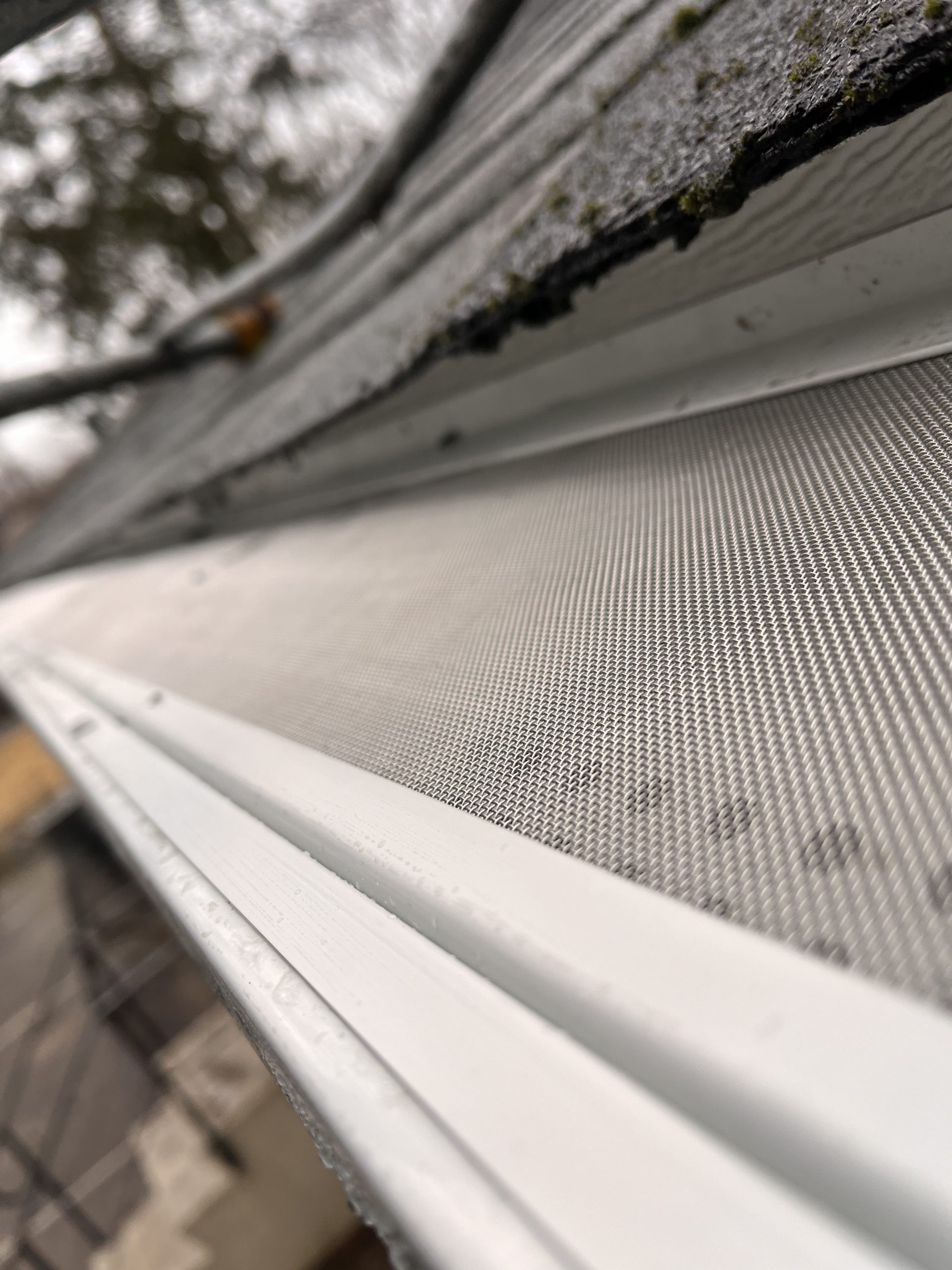
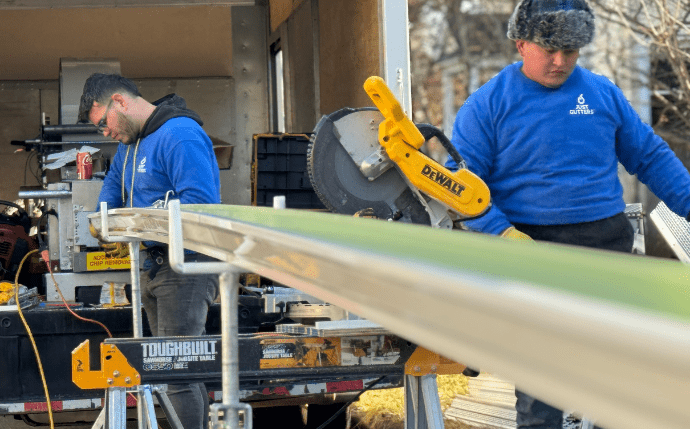
For many homes in Hackettstown, seamless aluminum gutters are the standard recommendation when replacement is warranted. There are good reasons for that. They are cost-effective, they reduce leak points compared with sectional systems, and they present a cleaner visual line from the curb.
The appearance point is not trivial. A new seamless system can sharpen the roof edge and make trim lines look crisp. On a listing photo, that helps. At the front of the house, it supports the kind of subtle first impression that sellers want, where everything looks neat, aligned, and maintained.
Copper has its place, especially on higher-end or historically styled homes, but it is usually a lifestyle and aesthetic decision rather than a sale-prep necessity. Vinyl can be economical, though in practice it tends not to be the first choice in markets where freeze-thaw durability matters. Steel is strong but may be more vulnerable to rust over time if coatings fail.
For most sellers, the question is not “What is the most premium gutter?” It is “What looks appropriate for this house, performs well in this climate, and makes financial sense before a sale?” Usually, that points back to properly installed aluminum.
Installation quality matters more than many product upgrades
People often focus on material and color, but the actual installation is what determines whether the system works. I have seen brand-new gutters overflow because the pitch was off by a small amount, or because the installer underestimated roof runoff volume at a valley. I have also seen modest aluminum systems last for years because they were hung correctly and paired with sensible downspout placement.
For sellers, this matters because buyers may not know the technical details, but they can spot bad workmanship. Uneven lines, awkward joints, visible gaps at fascia, and downspouts that zigzag in strange ways all undermine the value of the investment.
Proper Gutter Installation is about more than attaching troughs under the roof edge. It includes hanger spacing, outlet sizing, slope, placement at drip edges, secure end caps, and discharge routing away from the home. On some lots in Hackettstown, grading issues mean the downspout extension matters almost as much as the gutter itself. Water that exits right at the base of the house is not much better than water spilling over the side.
Leaf guards can help, but they are not always the best pre-sale investment
Sellers often ask if they should add gutter guards before listing. Sometimes yes, often maybe, and occasionally no.
If the home is surrounded by mature trees and clogged gutters have been a recurring problem, guards can be a useful selling point. They suggest lower maintenance and can reduce seasonal overflow issues. They also photograph well because the system looks complete and intentional.
But guards do not fix underlying installation problems. If the pitch is wrong, if downspouts are undersized, or if the fascia is compromised, adding guards is like putting a lid on a problem. Some lower-quality products can also create their own maintenance headaches, especially when fine debris accumulates over time.
For a seller on a budget, I usually view guards as secondary. First make sure the existing or new gutters are correctly installed, clean, and draining well. Then consider guards if tree coverage is significant and the product quality is solid.
Cost, return, and where sellers miscalculate
Gutter replacement is one of those projects where the direct return on investment is hard to isolate, but the indirect return is very real. Buyers rarely increase their offer because of gutters alone. They absolutely discount houses that show drainage neglect.
That distinction matters. You are not usually spending money on gutters to add headline value. You are spending it to protect value, support smooth inspections, and improve presentation. In a balanced or cautious market, that can be the difference between a clean contract and a round of repair negotiations.
Actual pricing varies with house size, roofline complexity, material, and whether fascia or soffit repairs are needed. A simple ranch may be straightforward. A larger two-story with multiple roof sections, valleys, and difficult access is not. If wood repair is discovered after removing old gutters, the number can move. Sellers should budget with a range in mind rather than assuming a flat price from an online estimate.
Where people miscalculate is by comparing gutter work to a flashy cosmetic upgrade. Fresh landscaping and a painted front door may create a nice impression, but if the gutters are dumping water into the front beds and staining the siding, the cosmetic work loses power fast.
Timing matters more than people think
If you are planning to list, do not wait until the week before photos to deal with gutter issues. Good contractors get busy during storm season and fall cleanup season. If replacement is needed, you also want time for any related trim or fascia touch-up, and ideally one decent rainfall before the house hits the market so you can confirm the system performs properly.
Late timing creates avoidable stress. Installers may have to work around bad weather. Painters may not be available to touch fascia afterward. Real estate agents may be trying to schedule photography while debris and ladders are still around. And if a rushed installation leaves cosmetic issues, there is little time to correct them.
The best window is usually several weeks before listing, especially in Hackettstown where seasonal weather can compress contractors’ schedules. Even a simple gutter cleaning and tune-up benefits from not being left to the last minute.
The parts sellers forget, downspouts, extensions, and splash management
A lot of sellers focus on the horizontal gutter runs because those are what they see from the street. But some of the most important work happens at the downspouts and discharge points.
A house can have brand-new gutters and still show drainage problems if downspouts empty too close to the foundation. I have walked properties where sellers proudly pointed out recently installed gutters while the mulch beneath each downspout was visibly washed out. Buyers notice that. Inspectors definitely do.
Extensions do not need to be ugly to be effective. They can often be routed discreetly, tied into existing drainage where appropriate, or positioned to protect landscaping while moving water far enough from the home. On sloped lots, splash control becomes even more important because runoff can travel quickly toward patios, sidewalks, or neighboring property lines.
This is one of those details that separates basic replacement from thoughtful Gutter Installation Hackettstown homeowners actually benefit from during a sale. The goal is not only to hang new gutters. The goal is to control water from roof edge to final discharge.
Color and style choices should support the house, not call attention to themselves
When selling, most exterior choices should be conservative unless the architecture strongly suggests otherwise. Gutters are no exception. A clean match to fascia, trim, or roofline usually works best. Buyers should register a tidy exterior, not a decorative gutter statement.
K-style gutters are common because they suit many house styles and handle water well. Half-round systems can look excellent on certain historic or custom homes, but they need to fit the architecture. If the rest of the house is straightforward suburban siding and asphalt shingle construction, a standard profile often makes more visual sense.
Downspout placement and color coordination matter too. Contrasting vertical downspouts on a front elevation can look busy if not planned carefully. A good installer usually understands how to make the system disappear visually while still functioning well.
Documentation helps during negotiations
If you replace or significantly repair gutters before listing, keep the paperwork. Buyers appreciate knowing when the work was done, what materials were used, and whether there is a workmanship or product warranty. Your real estate agent can reference that information in disclosures and during inspection discussions.
Documentation is especially useful if prior overflow caused visible issues that have since been corrected. For example, if you repaired fascia, repitched gutters, and redirected downspouts after noticing erosion, those receipts help show the problem was addressed rather than merely covered up.
Sellers do not need a giant maintenance binder to prove responsibility, but clear records calm nerves. That matters during the fragile period between accepted offer and final inspection resolution.
When a cleaning is enough, and when it clearly is not
Not every house needs new gutters before sale. Sometimes a thorough cleaning, minor rehanging, and a few downspout adjustments are all it takes. This is especially true if the system is structurally sound and the problems are mostly related to maintenance.
A cleaning is probably enough when the gutters are intact, the alignment is good, there Gutter Installation Hackettstown are no obvious leaks, and water management problems disappear once debris is removed. In that case, spending for full replacement may not produce a meaningful advantage.
A cleaning is not enough when the gutters pull away from the fascia, leak at multiple joints, overflow despite being clear, or show rust and deformation. It is also not enough if water damage is visible on adjacent components. Once siding, trim, or foundation areas are showing the effects, the issue has moved beyond housekeeping.
How sellers can evaluate contractors without overcomplicating it
You do not need to become a gutter expert, but you do need to vet the work sensibly. Ask for a clear scope. Make sure the proposal addresses downspout count, discharge plan, material type, and any fascia repair assumptions. If one bid is much lower than others, find out why. Sometimes it is efficiency. Sometimes it is because key pieces are missing from the scope.
A contractor who walks the property, looks at roof valleys, checks trouble spots, and talks about drainage pathways is usually taking the work seriously. A contractor who only measures the roof edge and throws out a number may not be considering how the system will actually perform.
These questions usually reveal whether you are getting a thoughtful proposal:
- Are the existing fascia boards sound, and what happens if hidden rot is found
- How will downspouts be placed and where will they discharge
- What gauge or thickness of material is being used
- How are corners, seams, and hangers being handled
- Is cleanup and debris disposal included
Simple questions, but they save sellers from preventable surprises.
Gutters and curb appeal are connected, even if buyers cannot explain why
People often talk about curb appeal as though it is purely cosmetic. It is not. Buyers respond to signs of order. Straight lines, clean transitions, and controlled water runoff all contribute to that feeling. Gutters support those signals in a quiet way.
On a home in Hackettstown with mature landscaping, nice shutters, and Gutter Installation Hackettstown a freshly cleaned exterior, bad gutters stand out sharply. They break the line of the roof. They suggest moisture issues. They make a cared-for house look a little tired. On the other hand, when the gutter system fits the house and does its job without drawing attention, buyers rarely think about it, which is exactly the point.
The smartest seller mindset
The best approach is not to treat gutters as a last-minute checklist item or an oversized capital project. Treat them as part of the home’s water management system, which is what buyers, inspectors, and experienced agents already understand them to be.
If your house needs new gutters, do the work cleanly and document it. If it only needs maintenance, do that thoroughly and make sure the system performs. If the property has known drainage trouble, solve the problem at the discharge point rather than hoping no one notices. In Hackettstown, buyers have seen enough wet basements, icy walkways, and washed-out beds to recognize the signs.
Sellers who handle gutter issues before listing usually gain something more valuable than a visible upgrade. They gain a more straightforward sale. Fewer questions. Less suspicion. Better odds that buyers stay focused on the house itself, instead of wondering where the water goes every time it rains.
Just Gutters LLC
Address: 262 Main St, Hackettstown, NJ 07840
Phone number: +12013319454
FAQ About Gutter Installation Hackettstown
Can I install a gutter myself?
Yes, you can install gutters yourself. DIYers typically use aluminum or vinyl sections from home improvement stores. The project requires basic tools, precise measuring, and comfort working on ladders. Key steps include snapping a chalk line for a slight slope (1/4 inch per 10 feet toward downspouts), securing hangers every 2 feet, and caulking all joints securely.
How much does body contouring usually cost?
The Home Depot typically charges between $1,000 and $3,600 for a standard professional gutter installation on a typical single-family home with 200 linear feet of gutters. Calculated on a per-foot basis, the cost usually ranges from $5 to $18 per linear foot, highly dependent on the material you select.
How much does a 40 ft seamless gutter cost?
A 40 ft seamless gutter run will cost between $240 and $1,120+ fully installed, depending on the material you choose. Because seamless gutters require specialized on-site fabrication machines, they are rarely sold as DIY kits and are priced per linear foot.